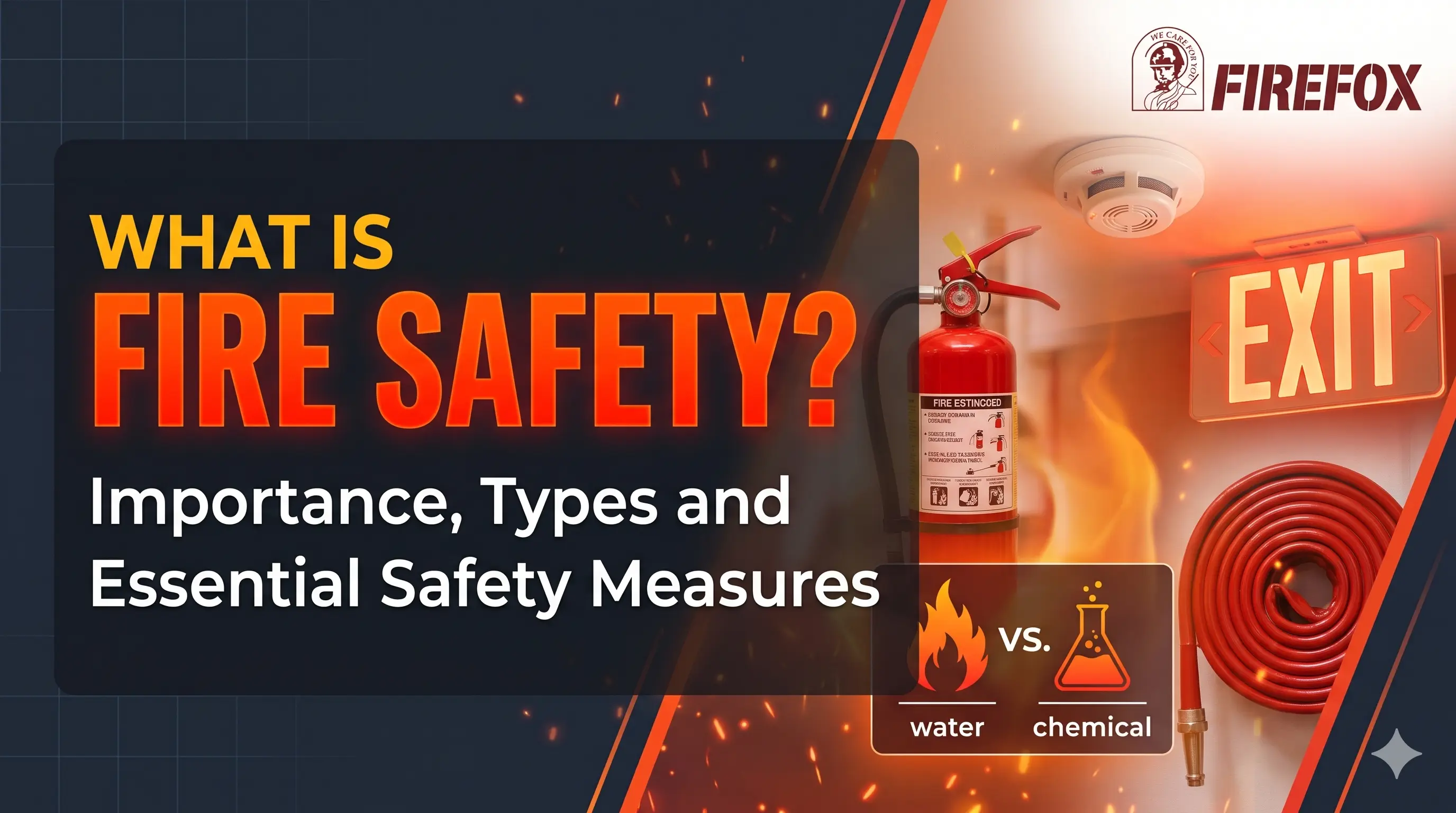
Fire safety is one of the most important aspects of protecting human lives, property, and businesses from fire-related accidents. Whether it is a residential building, office, factory, hospital, hotel, or commercial complex, having proper fire safety measures in place can help prevent fire accidents and minimize damage.
Fire safety involves using appropriate fire protection equipment, following safety guidelines, installing fire detection systems, and ensuring people know how to respond during an emergency.
In this guide, we will understand what fire safety is, why it is important, its different types, and the essential fire safety measures every building should follow.
What Is Fire Safety?
Fire safety refers to the practices, equipment, and preventive measures used to reduce the risk of fire, prevent its spread, and protect people and property during fire emergencies.
It includes fire prevention, early fire detection, fire suppression systems, emergency evacuation planning, and regular maintenance of fire safety equipment.
Some common fire safety equipment includes:
Fire extinguishers
Fire alarm systems
Smoke detectors
Fire hydrant systems
Fire sprinkler systems
Fire hose reels
Fire blankets
Personal protective equipment (PPE)
Proper installation and maintenance of this equipment play an important role in creating a safer environment.
Why Is Fire Safety Important?
Fire accidents can happen unexpectedly due to electrical faults, gas leaks, overheating equipment, chemical reactions, or human negligence.
Implementing proper fire safety measures offers several benefits:
1. Protects Human Lives
The primary purpose of fire safety is to protect employees, customers, residents, and visitors. Early detection and effective evacuation procedures help people respond quickly during emergencies.
2. Prevents Property Damage
A small fire can quickly spread and cause significant damage to buildings, machinery, inventory, and valuable assets. Appropriate fire protection systems can help control fires and reduce losses.
3. Reduces Business Interruptions
Fire incidents can disrupt business operations for days or even months. Installing reliable fire protection equipment helps businesses improve preparedness and reduce potential downtime.
4. Supports Regulatory Compliance
Buildings and businesses in India must follow applicable fire safety requirements, including relevant National Building Code provisions and local fire authority requirements.
5. Improves Workplace Safety
Fire safety training and awareness help employees identify potential hazards, understand emergency procedures, and respond appropriately.
What Are the Different Types of Fire Safety?
Fire safety can be divided into several important categories.
1. Fire Prevention
Fire prevention focuses on identifying and eliminating potential fire hazards before an incident occurs.
Important preventive measures include:
Regular electrical inspections.
Safe storage of flammable materials.
Avoiding overloaded electrical sockets.
Proper maintenance of machinery.
Keeping emergency exits clear.
Following safe handling procedures for combustible materials.
2. Fire Detection and Alarm Systems
Fire detection systems identify signs of fire, such as smoke or excessive heat, and alert occupants.
Common fire detection equipment includes:
Smoke detectors
Heat detectors
Manual call points
Fire alarm control panels
Audible and visual alarm devices
Early detection provides valuable time for evacuation and emergency response.
3. Fire Suppression Systems
Fire suppression systems are designed to control or extinguish fires using suitable extinguishing agents.
Common examples include:
Portable fire extinguishers
Automatic sprinkler systems
Fire hydrant systems
Clean agent fire suppression systems
CO2 fire suppression systems
The appropriate system depends on the building, fire hazards, and materials present.
4. Emergency Evacuation and Preparedness
Emergency preparedness ensures that people know what to do when a fire occurs.
Important measures include:
Clearly marked emergency exits.
Displayed evacuation plans.
Designated assembly points.
Regular fire drills.
Trained emergency response teams.
Different Classes of Fire and Their Extinguishing Methods
Understanding fire classifications is essential when selecting the correct fire extinguisher.
| Fire Class | Type of Material | Common Extinguishing Method |
|---|---|---|
| Class A | Wood, paper, cloth and similar solids | Water, foam or suitable ABC powder |
| Class B | Flammable liquids | Foam, CO2 or suitable dry chemical powder |
| Class C | Flammable gases under relevant Indian classification | Suitable dry chemical powder and gas isolation |
| Class D | Combustible metals | Special Class D powder |
| Class E | Energized electrical equipment under Indian classification | CO2 or suitable non-conductive extinguishing agent |
| Class F | Cooking oils and fats | Wet chemical extinguisher |
Important: Always select extinguishers according to the fire risk and applicable Indian standards. Never use water on energized electrical equipment or burning cooking oil.
Essential Fire Safety Measures Every Building Should Follow
Whether you manage an office, factory, hospital, hotel, or residential property, the following measures can improve fire preparedness.
1. Install Appropriate Fire Extinguishers
Keep suitable fire extinguishers at accessible locations based on the identified fire risks. Ensure they are properly installed, inspected, and maintained.
2. Install Fire Alarm and Detection Systems
Smoke detectors, heat detectors, and fire alarm systems help identify fire emergencies at an early stage.
3. Maintain Fire Hydrant and Sprinkler Systems
Large commercial and industrial buildings may require fire hydrant and automatic sprinkler systems according to applicable fire safety requirements.
4. Keep Emergency Exits Accessible
Emergency exits and evacuation routes should remain unobstructed and clearly identified at all times.
5. Conduct Regular Fire Safety Training
Employees should understand how to raise an alarm, evacuate safely, and use fire extinguishers when trained and when it is safe to do so.
6. Inspect Fire Safety Equipment Regularly
Fire extinguishers, alarms, pumps, hydrants, and other equipment should be inspected and maintained according to manufacturer instructions and applicable standards.
7. Display Emergency Contact Numbers
Keep relevant fire service and emergency contact numbers visible so that people can seek assistance quickly.
Fire Safety Equipment Required for Commercial and Industrial Buildings
Different buildings have different fire protection requirements. The equipment should be selected based on occupancy, building design, fire load, and applicable regulations.
Some commonly used fire safety products include:
ABC and CO2 fire extinguishers
Fire hydrant valves and accessories
Fire hose pipes and hose reels
Fire alarm and detection systems
Automatic fire sprinkler systems
Fire pumps and related accessories
Firefighter helmets and protective clothing
Self-contained breathing apparatus (SCBA)
A properly planned fire protection system combines prevention, detection, suppression, and emergency preparedness.
How to Choose the Right Fire Safety Equipment?
Choosing suitable fire safety equipment is important for effective fire protection.
Consider the following factors before purchasing:
Type of Building: Residential, commercial, industrial, and institutional buildings have different fire protection requirements.
Fire Hazards: Identify electrical equipment, flammable liquids, combustible materials, and other potential fire risks.
Applicable Standards: Check relevant BIS standards, National Building Code provisions, and local fire authority requirements.
Equipment Quality: Select reliable equipment from established manufacturers and suppliers.
Installation and Maintenance: Ensure professional installation, periodic inspection, and timely servicing.
Consulting a qualified fire safety professional can help determine the appropriate fire protection solution for your premises.
Conclusion
Fire safety is not just a regulatory requirement; it is an essential responsibility for every property owner, business, and organization.
From installing fire extinguishers and alarm systems to maintaining hydrants and conducting emergency drills, every safety measure contributes to reducing fire risks and protecting lives.
Investing in suitable fire fighting equipment and following proper fire safety practices can help create a safer environment for everyone.
Looking for reliable fire fighting and fire protection equipment? Fire Fox provides fire safety solutions and equipment for different commercial and industrial requirements. Contact Fire Fox to explore suitable fire safety products for your needs.